
The Best eSIM for Travel That Actually Works Worldwide
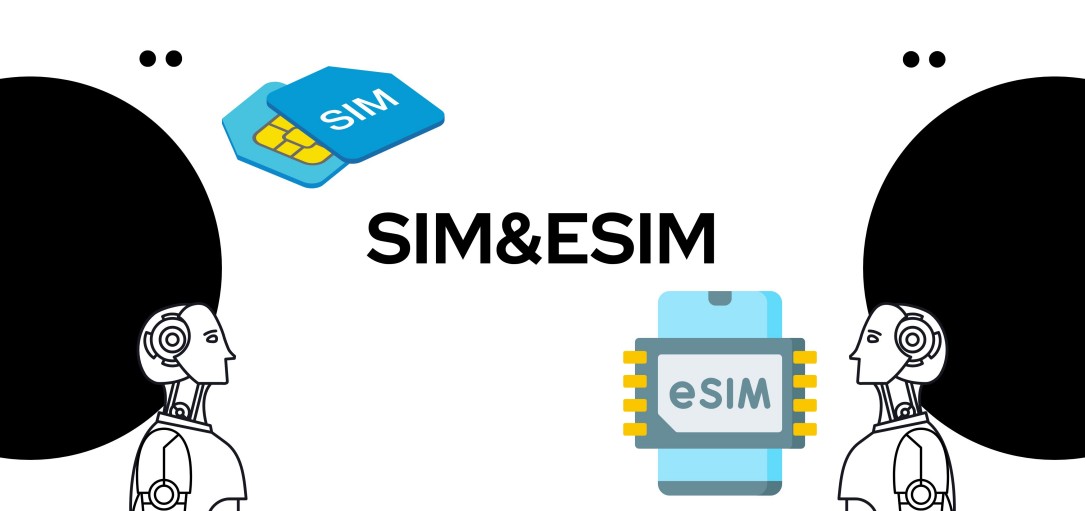
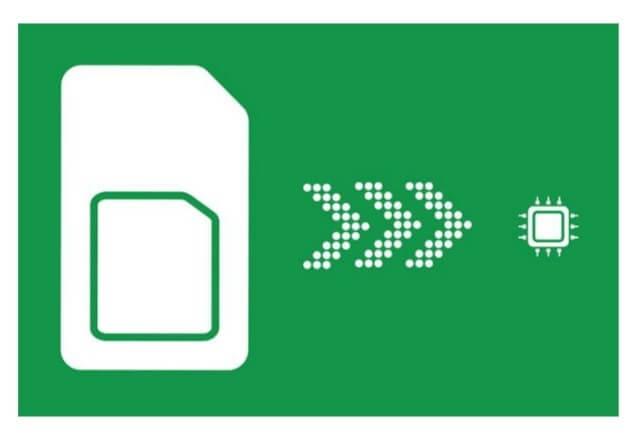
The **best eSIM for travel** is a digital SIM card that activates instantly upon purchase, removing the need for a physical plastic SIM. It allows you to connect to local networks abroad by scanning a QR code or downloading a profile, providing data without changing your primary number. This solution offers significant benefits like competitive local data rates, the ability to manage multiple plans on one device, and immediate connectivity upon arrival in a new country.
Choosing the Right Digital SIM for Your Trip
Selecting the best eSIM for travel hinges on your specific itinerary. For a single-country trip, a local provider’s eSIM offers the fastest speeds and lowest cost, but for multi-destination journeys, a regional or global plan eliminates the hassle of swapping profiles. Prioritize plans with instant activation and clear data caps; avoid unlimited plans that often throttle after a few gigabytes. Check that your phone is unlocked and eSIM-compatible, and always download the eSIM profile before departure. For heavy data use, like streaming maps, ensure the plan includes 5G support. Ultimately, the right choice balances coverage, data allowance, and your willingness to manage multiple esims versus one seamless global solution.
Key Factors to Consider Before Buying
Before buying, zero in on your specific data needs—don’t overpay for 10GB if you mostly use hotel Wi-Fi. Check network coverage maps for your exact destinations, not just country-wide claims, since rural spots often lack signal. Verify if the eSIM supports instant activation upon arrival, avoiding fiddling with QR codes mid-travel. Look for easy top-up options in case you run out, and confirm the provider lists straightforward, 24/7 customer support in case of connection hiccups.
Coverage vs. Cost: Striking the Balance
The core challenge when selecting the best eSIM for travel is balancing global coverage versus per-day cost. A cheap regional plan often fails in remote areas, while a premium global package might double your budget for a single-country trip. Prioritize coverage in your specific destinations—not total countries—then compare data allowances. A plan offering 1GB in 50 countries is often costlier than a 5GB local plan for the same price.
- Assess your itinerary: one continent needs regional plans; multiple continents may justify a global plan.
- Check carrier partners in your exact destinations, not just listed countries.
- Compare total trip cost: a higher daily rate for reliable coverage often beats cheaper plans with throttled speeds.
Data Speeds and Network Reliability
For travel, consistent network reliability matters more than raw speed numbers, as a fast connection that drops mid-navigation is useless. Prioritize eSIMs that partner with multiple local carriers in your destination, ensuring automatic failover if one network weakens. While 5G speeds are ideal for streaming, a dependable 4G LTE connection often provides sufficient bandwidth for maps and messaging without costly data drains. Always check user reviews specific to your travel region, as a provider’s speed and stability can vary drastically between countries. A high-reliability eSIM eliminates frustrating dead zones, keeping your critical tools online wherever you roam.
Top Contenders in the International eSIM Market
When you land in a new country, fumbling for a local SIM is the last thing you want. The top contenders like Airalo, Holafly, and Nomad win for travel because they offer instant, app-based activation. Airalo’s vast global coverage makes it a reliable fallback, its regional packages offering the best value for multi-country trips. Holafly, however, wins with its unlimited data plans that remove the anxiety of running out of credit while navigating. For the budget-conscious, Nomad provides competitive per-GB prices across regions, though its speeds can vary more than rivals. Each service ultimately demands you double-check device compatibility before you board, as older phones often lack eSIM support. These three remain the practical go-tos for seamless connectivity abroad.
Airalo: Best for Global Simplicity
For travelers wanting zero fuss, Airalo stands out for global simplicity. You just pick a regional or local plan, download the eSIM before flying, and activate it upon arrival—no physical SIM swaps or store visits needed. Their app makes topping up or switching countries effortless, with packages starting under $5. Coverage spans 190+ destinations, so you’re always connected with stable data for maps and messaging.
Airalo: Best for Global Simplicity—install once, roam anywhere.
Holafly: Unlimited Data Travel Plans
Holafly carves a distinct niche in the eSIM market by exclusively offering unlimited data travel plans, a major draw for heavy streamers and navigators. Instead of tracking megabytes, you get genuine high-speed access to maps, social media, and video calls without top-up anxiety. Their plans cover 160+ destinations with straightforward activation; you purchase, scan the QR code, and go online instantly. While some competitors throttle after a data cap, Holafly prioritizes uninterrupted connectivity, though users should note that there is usually a fair-use policy for extreme usage. This zero-worry approach makes it a go-to for anyone wanting to stay aggressively online without constant monitoring.
GigSky: Reliable Coverage Across Multiple Regions
GigSky distinguishes itself in the international eSIM market by offering reliable multi-region coverage rather than single-country plans, providing seamless connectivity across continents with a single profile. Its regional packages are calibrated for travelers moving between North America, Europe, and Asia, ensuring consistent data speeds even at border crossings where other eSIMs often drop signal. The network prioritizes stability over raw speed, making it ideal for constant navigation and messaging rather than heavy streaming. Users gain practical access to local carriers within each region, which reduces latency issues common with roaming profiles, directly supporting the travel need for uninterrupted, dependable service across diverse geographies.
Nomad: Flexible Plans for Short Stays
For short, unpredictable trips, Nomad: Flexible Plans for Short Stays truly shines. You can buy a 1GB data pack for just a few days or quickly top up if your layover extends. Plans activate instantly, and you pick durations as short as 24 hours—perfect for a quick weekend getaway. Unlike rigid monthly contracts, Nomad lets you pause or swap regions without wasting credit. Just scan a QR code, and you’re connected.
Ubigi: Strong on Japanese and Asian Routes
Ubigi distinguishes itself within the international eSIM market by delivering exceptional connectivity on Japanese and Asian routes. Its direct partnerships with local carriers like NTT Docomo in Japan ensure consistently high speeds and stable coverage across urban and rural areas. For travelers focused on this region, Ubigi offers competitively priced, short-term data packages that activate instantly without physical SIM swaps. A practical limitation is that voice calls rely entirely on VoIP apps, as native dialing is not supported. Japanese route reliability remains its core advantage over general global providers. Q: Does Ubigi guarantee coverage on all Japanese islands? A: While strong on Honshu and major hubs, remote islands like Okinawa’s outer atolls may show patchy LTE speeds.
Regional Recommendations for Digital Roaming
For a trip across Southeast Asia, I stopped juggling separate SIMs and chose an eSIM with a regional Asia-Pacific data plan. This single purchase granted seamless roaming from Bangkok’s bustling streets to remote Balinese rice terraces. Even as I island-hopped through Thailand and Indonesia, one consistent connection kept my navigation and messaging alive, dodging the tedious hunt for local SIM stalls. The real advantage came at border crossings—the eSIM locked onto local networks instantly, without any manual reconfiguration. I never realized how much mental energy I wasted on connectivity before this just worked. That unified regional coverage is what makes the best eSIM for travel truly liberating.
Best Options for Europe Travelers
For Europe travelers, the best eSIM for travel across multiple countries is a regional plan covering the EU zone, offering seamless connectivity from Paris to Prague without swapping SIMs. Always verify if your provider includes Switzerland and the UK, as these are often excluded from standard EU packages. Key advantages include instant activation upon landing and pay-as-you-go data that skips roaming fees entirely.
- Choose plans with 5G access for fast navigation and streaming in cities like Rome and Berlin.
- Look for 10–30 GB data caps to cover a multi-country trip of up to two weeks.
- Opt for providers offering free EU incoming calls for booking local tours or restaurants.
Top Picks for Asia and the Pacific
For travelers hopping across Asia and the Pacific, top eSIM picks for the region balance coverage breadth with blazing speeds. Airalo’s regional Asia-Pacific plan offers seamless connectivity from Tokyo to Bali, while Holafly’s unlimited data option shines for heavy streamers in Thailand or Vietnam. For multi-country trips, Nomad eSIM provides competitive bundles tailored to Japan, South Korea, and Australia. A quick comparison of key picks:
| Provider | Best For | Key Feature |
|---|---|---|
| Airalo (Asia+) | Multi-country roaming | 15+ countries, 4G+ speeds |
| Holafly (Asia) | Unlimited data users | No daily cap, hotspot allowed |
| Nomad (Japan/ANZ) | Short trips, budget | Pay-per-GB, no expiry |
Each option activates instantly on arrival, eliminating physical SIM hassles. Prioritize regional plans over country-specific ones if exploring multiple Pacific islands or Southeast Asian hubs within one trip.
Leading Choices for North and South America
For North America, leading choices for digital roaming center on Airalo and Holafly, which provide robust LTE coverage across the US, Canada, and Mexico using T-Mobile and Rogers networks. In South America, Claro eSIMs via Airalo offer the widest regional stability, covering Brazil, Argentina, and Chile without multi-profile swaps. The key distinction is that North American plans prioritize unlimited high-speed data for urban centers, whereas South American selections emphasize compatibility across multiple local carriers to manage inconsistent rural signals. Both regions demand eSIMs with upfront pricing to avoid surprise throttling.
- Choose Airalo’s “Discover” global plan for seamless cross-border travel between North and South America.
- Select Holafly’s unlimited data for the US and Canada if streaming or navigation is prioritized.
- Opt for a regional Claro eSIM for reliable 4G in South America’s less-connected zones.
- Verify device compatibility with América Móvil (Claro) bands before purchasing for South America.
Middle East and Africa Coverage Leaders
For the Middle East and Africa, regional eSIM coverage leaders dominate by specializing in fragmented network ecosystems. In the Gulf, providers like Airalo and Holafly excel with fast LTE on Etisalat and STC, giving you instant activation in Dubai or Riyadh. Across sub-Saharan Africa, MTN and Airtel partnerships make GigSky or Ubigi the smart picks for reliable data. To ensure stable connection in South Africa or Kenya:
- Choose an eSIM prioritizing MTN for best rural reach.
- Verify UAE and Saudi Arabia support on the same profile.
- Pick a plan with multi-network fallback for Morocco or Egypt’s fluctuating towers.
How to Evaluate a Virtual SIM Provider
To snag the best esim for travel, you need to evaluate providers on coverage and compatibility. First, check that the virtual sim provider actually supports your specific destination countries, not just a global “region.” Look for a provider offering a personal hotspot allowance, which is vital for sharing data across devices. Crucially, examine their data speed policies—some throttle speeds after a minor usage cap, even on “unlimited” plans, making your trip frustratingly slow. Always confirm the top-up and reusability; the best travel esims let you refill your data pack instead of forcing a new purchase, so you can adjust on the go. Finally, read user reviews about real-world activation and connection reliability in tourist-heavy zones, not just airport hubs.
Pricing Transparency and Hidden Fees
The best eSIM for travel requires scrutiny of pricing transparency and hidden fees. Before purchasing, verify the total cost by checking if the displayed price includes top-up fees or activation charges. To avoid surprises, follow this sequence:
- Confirm if data, talk, or text allowances are “on-net” only (applying higher rates for off-network usage).
- Check if top-ups require a minimum balance or include an extra “service fee.”
- Review if the plan auto-renews without clear warning about subsequent charges.
Always read the checkout total, not just the advertised headline price, to ensure no undisclosed taxes or connection fees apply.
Customer Support and Refund Policies
When selecting the best esim for travel, scrutinize whether the provider offers 24/7 live chat or WhatsApp support, as time-zone differences during trips make email-only responses impractical. Refund policies for unused data must be clearly stated; some providers prorate refunds only if you cancel within 24 hours of purchase, while others offer no refunds after activation. Even top-rated esims often deny refunds for plans accidentally activated upon installation, so confirm the grace period before buying. Q: What happens if I buy the wrong regional plan? A: Most providers allow a full refund only if you haven’t connected to the network; after the first data session, support typically offers a credit rather than cash repayment. Only choose a provider that explicitly handles connectivity disputes through direct troubleshooting, not automated ticket systems.
Easy Installation and Activation Processes
A leading travel eSIM provider prioritizes seamless activation workflows that eliminate physical SIM swaps. The best services enable instant installation by scanning a single QR code or downloading an app profile before your trip. Activation should be automatic upon landing or configurable via a simple toggle. For clarity, the process typically follows:
- Purchase a travel data plan from the provider’s app or website.
- Receive an instant QR code or activation link via email.
- Scan the code using your phone’s native eSIM manager, with the profile installing in under a minute.
Any provider requiring manual APN configuration or multi-step verification is likely not optimized for travelers. The goal is an always-on connection with zero airport kiosk visits or hotel Wi-Fi dependency.
Compatibility with Unlocked Phones
When evaluating a virtual SIM for travel, compatibility with unlocked phones is non-negotiable. First, confirm your device is carrier-unlocked, as locked phones will reject any eSIM profile. Then, check the provider’s device list—most support recent iPhones, Pixels, and Samsung Galaxy models, but older or non-flagship phones may fail. To verify:
- Visit the provider’s compatibility page.
- Enter your phone’s IMEI number.
- Install a trial eSIM to test connectivity before departure.
Skipping this step risks arriving abroad with no service at all. Always prioritize providers offering real-time troubleshooting for incompatible devices.
Practical Tips for Managing Your Travel eSIM
To maximize the benefits of the best eSIM for travel, always activate your plan only upon arrival at your destination to avoid premature billing. Before departure, install the eSIM profile while on Wi-Fi to ensure quick activation abroad. Keep a screenshot of your eSIM QR code and management account details as a backup. Monitor your data usage through the provider’s app, and disable automatic app updates to avoid surprises. When switching networks, manually select a local carrier supported by your plan for optimal speeds. Finally, carry a secondary physical SIM or a second travel eSIM from a different provider as a fail-safe for connectivity gaps.
Using Dual SIMs Effectively
To optimize data costs while traveling, assign your physical SIM for local calls and the travel eSIM solely for high-speed internet access. Managing data prioritization in your device settings prevents the phone from automatically using your roaming primary line for background tasks. This separation ensures you never incur surprise charges from your home carrier for app updates or MMS. For incoming calls, configure the eSIM as the default for Wi-Fi calling to leverage your data plan, while the physical SIM handles SMS verification codes without interference.
Conserving Data While Abroad
To conserve data while abroad, prioritize downloading offline maps and content before departure, as streaming consumes significant bandwidth. Disable automatic app updates and background app refresh, which drain your eSIM’s allowance without your knowledge. Use Wi-Fi for high-data tasks like video calls or uploading photos, reserving your eSIM for essential navigation and messaging. Enable data saver modes within your phone’s settings, and reduce video quality to standard definition in streaming apps. Monitoring usage via your eSIM’s dedicated app prevents unexpected depletion, ensuring your travel eSIM lasts the entire trip. Careful allocation of megabytes extends your travel eSIM data savings significantly.
Troubleshooting Common Connection Issues
Connection hiccups happen, but most fix fast. First, try toggling airplane mode on and off for a fresh network signal. If that fails, manually select your carrier instead of using “automatic.” A quick reboot of your phone refreshes the data connection entirely. Ensure your eSIM profile is correctly installed and your data roaming is enabled in settings. You’ll often resolve a dropped link by switching to manual network selection for stability. For persistent issues, double-check your plan’s expiry date and travel zone to avoid simple data exhaustion errors.
Comparing Prepaid and Pay-As-You-Go Models
When selecting the best eSIM for travel, comparing prepaid and pay-as-you-go models hinges on usage patterns. Prepaid travel eSIMs offer a fixed data allowance for a set price, ideal for users who want budget certainty and avoid overage charges. In contrast, pay-as-you-go eSIMs charge per megabyte used, providing flexibility for light or unpredictable data needs. The key distinction is that prepaid plans typically expire after a set period (e.g., 7-30 days), while pay-as-you-go credit often lasts longer, making prepaid better for short, high-usage trips and pay-as-you-go superior for extended travel with sporadic connectivity. Overusing a prepaid plan usually requires buying a new bundle, whereas pay-as-you-go simply stops working when credit runs out. Analyze your daily data consumption and trip duration to determine which model aligns with your travel itinerary.
Advantages of Fixed Data Packages
Fixed data packages offer travelers predictable budgeting, with a set volume of high-speed data for a single upfront payment. This eliminates the anxiety of tracking per-megabyte costs. For short trips, a 5GB package often provides superior cost efficiency for maps and messaging compared to metered pay-as-you-go rates. Packages also guarantee full-speed access until the cap is hit, avoiding the throttling common on unbundled plans. A fixed allowance ensures you won’t accidentally drain your balance during heavy use, and unused data simply expires with no surprise overage fees.
| Aspect | Advantage |
|---|---|
| Budgeting | Single payment, no per-use tracking needed |
| Speed | Full-speed until cap, no throttling per megabyte |
| Risk | Zero overage charges |
When to Opt for Top-Up Plans
Opt for a top-up plan when your travel itinerary is unpredictable or spans multiple countries with varying data needs. Unlike rigid prepaid bundles, top-ups let you add a small, specific amount of data mid-trip—ideal if you run out unexpectedly or need a quick boost for navigation and messaging without committing to a new, larger package. This flexibility is particularly valuable for business travelers or digital nomads who cannot forecast exact usage. Choosing a top-up avoids overpaying for unused data and ensures you always have connectivity exactly when required, making it the most cost-efficient approach for dynamic travel schedules. This flexible data replenishment keeps your eSIM active and budget under control.
Evaluating Validity Periods
When evaluating validity periods for the best eSIM for travel, a prepaid plan’s fixed duration—often 7, 15, or 30 days—demands precise alignment with your trip length, as unused days expire and cannot be refunded. In contrast, pay-as-you-go models typically offer flexible validity windows that extend as long as you maintain an active data balance, sometimes up to a year or more. This distinction is critical: a prepaid plan suits a rigid itinerary, whereas a pay-as-you-go option prevents waste if your travel schedule is fluid or extended. Always check whether the validity period counts from activation or first use, as this directly impacts value.
Common Mistakes Tourists Make with Digital SIMs
A major mistake tourists make when choosing the best esim for travel is failing to check network compatibility, assuming any global plan works on all local bands. Another common error is purchasing a data-only plan without voice minutes, then struggling to contact hotels or local services. Tourists often install the eSIM before departure, burning the activation window before landing, which wastes coverage days. Similarly, many forget to disable their primary home SIM’s roaming, incurring double charges. Selecting the best esim for travel requires verifying if it supports tethering; some budget plans block hotspot use, leaving travelers unable to share data. Lastly, overlooking the need for a local number for two-factor authentication can lock them out of banking apps.
Ignoring Device Compatibility Checks
One of the easiest ways to wreck your trip is ignoring device compatibility checks before buying an eSIM. You might grab the “best eSIM for travel,” but if your phone isn’t unlocked or lacks eSIM support, it simply won’t work. To avoid this headache:
- Check your phone’s settings for “Add eSIM” or look up your model online.
- Confirm your carrier hasn’t locked your device to their network.
- Test the eSIM at home with a cheap local plan before you depart.
Doing this upfront saves you from scrambling for Wi-Fi at the airport.
Overlooking Fine Print on Data Speeds
Many travelers choose a plan based on total data allowance, but overlooking fine print on data speeds can ruin connectivity. Budget eSIMs often advertise “unlimited data,” yet bury a clause throttling speeds to 2G or 128 kbps after a small high-speed cap. To avoid slow loading, follow this sequence when comparing the best eSIM for travel:
- Check the “Fair Usage Policy” for a listed high-speed data limit (e.g., 1 GB per day).
- Confirm the throttle speed after that limit—often 512 kbps or lower.
- Verify that your primary apps (maps, messaging, video calls) function on that throttled speed.
Ignoring these caps leads to unusably slow navigation or buffering, especially in areas with weak signal.
Failing to Activate Before Departure
A critical oversight is failing to activate your digital eSIM before departing. Most eSIMs require an initial internet connection to install the profile, which is impossible once you lose Wi-Fi. To avoid arriving without service, follow this sequence:
- Purchase and receive the eSIM QR code or activation link before travel.
- Connect to home Wi-Fi and install the eSIM in device settings.
- Label the line for clarity (e.g., “Travel Data”).
- Test activation by toggling the line before you leave.
Activation post-departure often fails due to no roaming signal for the initial setup, leaving you without best eSIM for travel connectivity at your destination.

Future Trends in Travel Connectivity
The future of travel connectivity hinges on eSIMs shifting from static data plans to dynamic, AI-driven connectivity. Soon, the best eSIM for travel will automatically switch between local and global networks in real-time, prioritizing the strongest signal without user intervention. This includes native integration with IoT devices like smart luggage and wearable translators, where an eSIM acts as the single core for all your gear. However, truly premium eSIMs will differentiate by offering temporary “data boosters” you can purchase via an app mid-trip for specific tasks, like high-definition video calls, without altering your base plan. Look for providers that embed multi-network failover as a standard feature, not a premium add-on, alongside zero-configuration top-ups that activate instantly upon arrival, eliminating the need to hunt for local vendors.
The Rise of Multi-Country Packages
Multi-country packages are redefining connectivity by bundling multiple destinations into one seamless plan, eliminating the hassle of swapping eSIMs at each border. Instead of purchasing separate data passes for every country on your itinerary, you now activate a single profile that automatically connects across regions. This is especially valuable for multi-destination trips, where enhanced regional coverage ensures you remain online from the moment you land in one country to your departure from another. Travelers save time and avoid dead zones, as these packages often include robust network partnerships that prioritize stable speeds across diverse geographies.
Integration with Global Roaming Alliances
The best eSIM for travel increasingly depends on its seamless integration with global roaming alliances. Rather than managing separate plans, a single eSIM profile can tap into a network of partner carriers across multiple countries, automatically connecting your device to the strongest local signal. This simplifies activation, as the eSIM negotiates data rates within the alliance, often reducing per-MB costs compared to public Wi-Fi or individual local SIMs. You avoid manual network selection and benefit from consistent connectivity as you cross borders.
- Automatic handoff between alliance member networks without reconfiguration
- Access to a broader coverage map by pooling multiple carrier strengths
- Transparent data usage tracking across the entire roaming network
Potential Impact of 5G on eSIM Services
5G will drastically enhance the speed and reliability of eSIM activation, letting travelers switch networks mid-journey in seconds. With lower latency, streaming
HD maps or video calls becomes seamless on a local eSIM profile. A traveler in a congested airport will Japan eSIM maintain stable connectivity while other users struggle. This enables a practical workflow for power users:
- Activate a global eSIM before departure for baseline coverage.
- Seamlessly switch to a local 5G profile upon arrival for ultra-fast data.
- Use real-time network assessment to toggle between plans for optimal speed.
This immediacy transforms eSIMs from a convenient backup into a primary, high-performance data solution.
How a Travel eSIM Actually Works and Why You Need One
The Simple Technology Behind Staying Connected Abroad
Why This Beats Physical SIM Cards and Roaming Plans
Top Features That Define the Best Travel eSIM Options
Instant Activation and No Need to Swap Cards
Local Data Speeds Without the Hidden Fees
How to Pick the Right Travel eSIM for Your Trip
Matching Data Plans to Your Destination and Duration
Checking Coverage Maps and Network Partners
Step-by-Step Guide to Setting Up Your Travel eSIM
Buying and Installing Before You Leave Home
Troubleshooting Common Activation Issues
Money-Saving Tips When Using a Travel eSIM
Avoiding Overpriced Airport SIM Kiosks and Hotel Wi-Fi
Top-Up Tricks for Multi-Country Itineraries
